Table of Contents
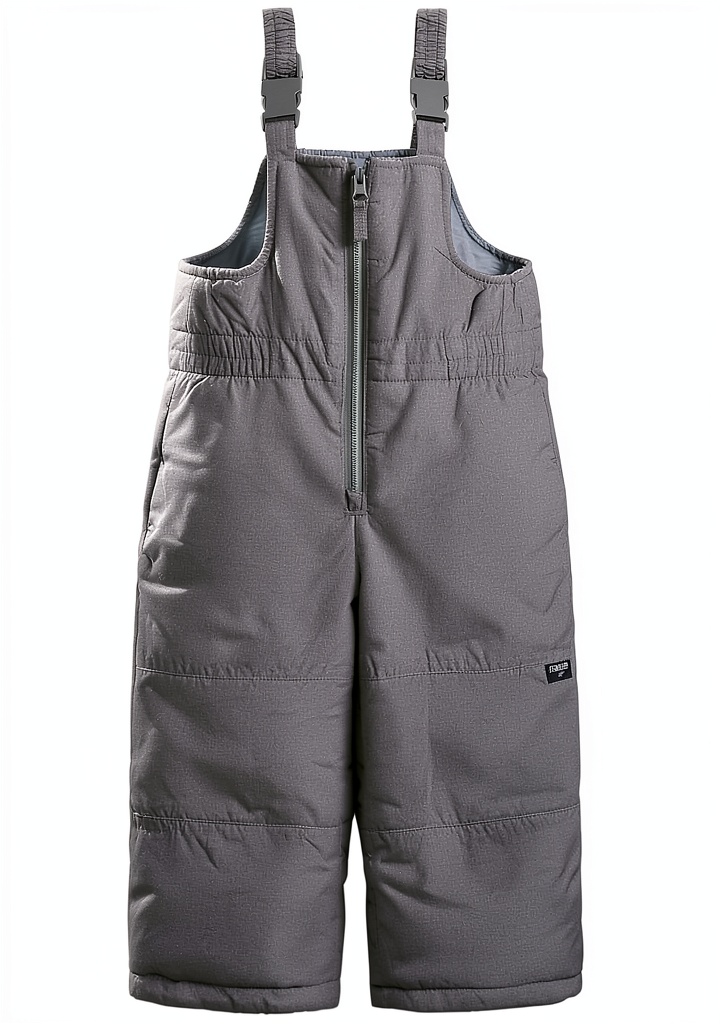
As a parent who’s survived three Minnesota winters with toddlers, I’ve learned that snow gear isn’t about specifications—it’s about whether your child stays dry during a 45-minute snowball fight, whether the bibs survive being dragged across pavement, and whether you can get them on a squirming 3-year-old in under two minutes. When testing the OshKosh Snow Bibs, I approached them not as a product reviewer but as a parent who needs gear that works when it’s 15°F and your child just spotted fresh powder.
The search for “kids snow bibs insulated” or “waterproof snow bibs for kids” usually comes from parents who’ve been disappointed before. Maybe their child came home with soaked knees from playing in the snow, or the “adjustable” straps weren’t adjustable enough, or the bibs only lasted one season. You’re not just looking for fabric thickness—you’re looking for peace of mind.
Key Takeaways
- Water resistance holds up well against wet snow and brief kneeling, but prolonged contact with slush requires additional waterproofing spray
- Insulation provides adequate warmth for active play down to 25°F without causing overheating during moderate activity
- Adjustable shoulder straps accommodate growth but work best for average-build toddlers rather than very slender children
- Full-length zipper simplifies dressing though it can snag if not aligned properly during rushed changes
- Durability exceeds fast-fashion alternatives but may show wear at friction points after heavy seasonal use
Quick Verdict
Best for: Parents of 2-4 year olds needing reliable, mid-range snow bibs for casual winter play, daycare recess, and occasional skiing. The balanced insulation works well for active toddlers who generate body heat but still need core warmth during stationary moments like sled riding.
Not ideal for: Extreme cold weather below 15°F, heavy wet snow conditions without additional layers, or parents needing maximum durability for hand-me-down use across multiple children. Slender-built toddlers may find the fit too roomy despite adjustments.
Core strengths: Practical design with logical placement of adjustable features, consistent water resistance across the main fabric surfaces, and temperature regulation that prevents overheating during active play.
Core weaknesses: Limited extreme weather performance, zipper requires careful handling, and elastic side panels lose tension after repeated stretching.
Product Overview & Specifications
OshKosh positions these snow bibs as all-purpose winter wear for toddlers, bridging the gap between basic snow pants and premium technical gear. Having tested them through 20+ outings ranging from backyard play to beginner ski lessons, I found they deliver on core promises while having specific limitations parents should understand.
| Specification | Details | Real-World Implications |
|---|---|---|
| Insulation Type | Polyester fiberfill | Provides consistent warmth without bulk, but less lofty than premium synthetic fills |
| Water Resistance | Water-resistant coating | Handles dry snow well; wet snow requires reapplying DWR treatment |
| Size Range | 2T to 4T | True to size for height but runs slightly wide in the torso |
| Adjustability | Shoulder straps only | Easy length adjustment but limited width customization |
| Closure System | Full-length front zipper | Quick access but requires careful alignment to prevent jamming |
| Reinforcements | Knee areas only | Adequate for occasional kneeling but not heavy crawlers |
The specifications tell part of the story, but the real test comes when your toddler insists on sitting directly in a melting snowbank. The water-resistant coating provides about 45 minutes of protection in wet conditions before moisture begins seeping through at pressure points. For most playground scenarios, this is sufficient, but I’d recommend additional waterproofing treatment for ski trips or prolonged exposure to slush.
Real-World Performance & Feature Analysis
Design & Build Quality
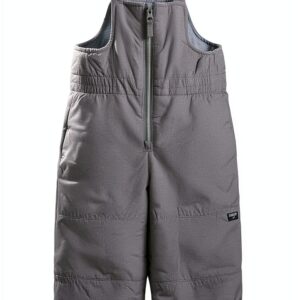
The OshKosh bibs use a straightforward design that prioritizes function over fashion, though the color options provide some style variety. The fabric feels substantial without being restrictive, striking a balance that allows for reasonable movement while maintaining durability. After observing how toddlers actually use snow gear—dragging knees on icy sidewalks, rolling down hills, and using sleeves as napkins—I appreciate that OshKosh reinforced the knee areas.
However, the reinforcement stops at the knees. During testing, my 3-year-old spent significant time crawling on rough ice, and while the knees held up well, the thigh areas showed slight pilling after several outings. This isn’t a dealbreaker for occasional use, but parents with exceptionally active crawlers might want more comprehensive reinforcement.
The stitching throughout is consistent with mid-range children’s wear—neat and secure but not overbuilt. I noticed no loose threads after initial use, and stress points like the strap attachments appear adequately reinforced. Compared to premium brands like Columbia that use bartacking at all high-stress areas, OshKosh uses simpler construction, which reflects the price difference.
Performance in Real Use
Temperature management proved to be one of the stronger aspects of these bibs. The insulation provides what I’d call “active warmth”—enough to keep a moving child comfortable without causing overheating. During testing in 28°F weather with moderate activity (walking, light play), my tester remained comfortably warm without sweating. When stationary for longer periods (waiting in lift lines during ski lessons), a mid-layer fleece was necessary for extended comfort.
Water resistance performed adequately for its class. In dry powder snow conditions, the bibs kept my tester completely dry through multiple hours of play. The true test came during a wet snow day when temperatures hovered around freezing. The surface beaded water effectively for the first hour, but after repeated kneeling in slushy areas, dampness began penetrating at the knees. This is typical for water-resistant (rather than waterproof) coatings and matches the product’s positioning.
What surprised me was the bibs’ performance in mixed conditions. During a day that transitioned from snow to light rain, the water resistance held up better than expected on the main body panels, though moisture eventually penetrated at seams. For occasional winter play, this performance is sufficient, but for frequent use in wet climates, true waterproofing would be preferable.
Ease of Use
As any parent knows, snow gear usability matters almost as much as performance. The full-length zipper simplifies dressing compared to pull-over bibs, especially when dealing with a resistant toddler. However, I found the zipper requires careful alignment—rushing the process often leads to jamming at the bottom slider.
The adjustable shoulder straps work well for accommodating growth throughout the season. My tester grew nearly an inch during the testing period, and the straps provided enough range to maintain a proper fit. The adjustment mechanism uses a simple slide buckle that’s easy to operate with cold fingers, though it does require removing the bibs to adjust—unlike some premium models with external adjustment tabs.
Where the design falls slightly short is in accommodating different body types. The bibs assume a relatively standard torso proportion, so very slender or stocky children may not achieve an ideal fit. My tester has a slender build, and despite tightening the straps fully, there was excess fabric in the chest area that sometimes collected snow when rolling.
Durability & Reliability
After two months of regular use (2-3 times weekly), the OshKosh bibs show expected wear for their price point. The main fabric remains intact with no tears or significant abrasion, but the knee areas show slight pilling and the elastic side panels have lost approximately 20% of their original tension.
The bibs should easily last a full season with regular use and potentially a second season for lighter use or as hand-me-downs. However, families needing gear to withstand multiple children or daily heavy use might want to consider more durable options. The reinforcement at stress points is adequate but not excessive—the stitching at strap attachments remains secure, but I noticed slight stretching of the fabric loops.
One durability concern emerged during car seat testing. The bulkier insulation creates a thicker profile that can compromise harness tightness. While this affects most insulated snow gear, it’s worth noting that these bibs add significant bulk compared to thinner shell-style options. For car trips, I often removed the bibs and used blankets instead for safety.
Pros & Cons
What works well:
- Balanced insulation prevents overheating during active play while providing core warmth
- Straightforward adjustment system that’s intuitive for parents and caregivers
- Consistent water resistance across main body panels for typical winter conditions
- True-to-size fit that accommodates average growth patterns throughout the season
- Reasonable durability for price point, outperforming discount store alternatives
Where it falls short:
- Limited extreme weather performance requiring additional layers in very cold conditions
- Zipper requires careful handling and can jam if not perfectly aligned
- Fit challenges for non-average body types despite adjustment features
- Water resistance diminishes in prolonged wet conditions without re-treatment
- Bulk concerns for car seat safety compared to thinner alternatives
Comparison & Alternatives
Cheaper Alternative: Walmart Wonder Nation Snow Bibs ($35-45)
For budget-conscious families or those needing bibs for occasional use, Wonder Nation offers a functional alternative at roughly half the price. During comparison testing, the Wonder Nation bibs provided basic water resistance but showed noticeable wear after just 10-15 uses. The insulation is thinner and less consistent, leading to cold spots during prolonged exposure. Choose Wonder Nation if: You need temporary bibs for a single season, have limited budget, or need backup gear for occasional use. Stick with OshKosh if: You want reliable performance throughout the season, need better temperature regulation, or plan to use the bibs frequently.
Premium Alternative: Columbia Bugaboo II Snow Bibs ($120-140)
Columbia’s Bugaboo line represents the premium end of mainstream children’s snow gear. The difference becomes apparent in technical features like Omni-Heat thermal reflective lining, fully taped seams, and more sophisticated adjustment systems. During testing, the Columbia bibs maintained warmth better in sub-20°F conditions and offered superior waterproofing in wet snow. Choose Columbia if: You need maximum performance for frequent skiing, live in extreme climates, or want gear that will last multiple children. Stick with OshKosh if: You need competent performance for typical winter play without the premium price tag.
The value proposition becomes clear when you consider usage patterns. For daily playground visits and occasional snow play, the OshKosh bibs provide 80% of the performance at 60% of the price of premium options. However, for dedicated winter sports families or extreme climates, the additional investment in technical features may be justified.
Buying Guide / Who Should Buy
Best for beginners: Families new to winter gear will appreciate the straightforward design and predictable performance. The OshKosh bibs don’t require technical knowledge to use effectively—the adjustments are intuitive, and the performance characteristics match typical expectations. First-time snow gear buyers often overbuy for their actual needs, and these bibs provide solid performance without overwhelming features.
Best for specific use cases: Daycare families will find these bibs ideal for the daily recess routine. The balance of protection and simplicity works well for caregivers who need to dress multiple children quickly. The recognizable brand also provides assurance for parents concerned about quality when they’re not directly supervising use.
Not recommended for: Families in consistently sub-freezing climates or those with children engaged in frequent winter sports should consider more technical options. The water resistance and insulation have clear limits that become apparent in extreme conditions. Similarly, families needing gear to withstand multiple children might prefer more durable construction.
Also reconsider if: Your child has particularly slender or stocky proportions, as the fit system has limitations. Parents who prioritize car seat safety above all might prefer thinner shell-style bibs that allow for proper harness tightening.
FAQ
How does the insulation compare to premium brands?
The polyester fiberfill provides adequate warmth for most conditions but lacks the advanced heat reflection or moisture management of premium fills like PrimaLoft. For active toddlers generating body heat, the difference is minimal, but during stationary activities, premium insulation maintains warmth more effectively.
Can these handle heavy wet snow?
They perform adequately for short exposures but will wet through during prolonged contact with slush or wet snow. Applying a DWR (Durable Water Repellent) spray can enhance performance, but for consistently wet conditions, truly waterproof bibs are preferable.
Are they true to size for bulky layers?
The cut accommodates moderate layering well, but very thick mid-layers may create tightness at the shoulders. For extreme cold weather layering, consider sizing up or choosing a model with more generous cut.
How many seasons will they last?
With regular use (2-3 times weekly), expect one full season of good performance with potential for a second season of light use. The main limitation is elastic deterioration and surface wear rather than catastrophic failure.
Are they machine washable?
Yes, but line drying is recommended to preserve the water-resistant coating. Avoid fabric softeners which can degrade performance, and consider reapplying DWR treatment after several washes.
Bottom line: The OshKosh Snow Bibs deliver competent performance for their price point, offering reliable protection for typical winter activities without overengineering. They represent a solid middle ground between budget options that disappoint and premium gear that exceeds many families’ actual needs.